Psilocybin Mushrooms in the Media: How Psychedelic Therapy is Changing the Conversation
Psilocybin mushrooms are the subject of an expanding body of clinical research, and mainstream media has tracked that growth closely, with major outlets reporting on trial results from Johns Hopkins, Imperial College London, and NYU showing measurable reductions in depression and anxiety. Coverage has broadened from academic journals to documentaries, news segments, and in-depth podcast discussions with researchers, clinicians, and patients. This article covers how media coverage of psilocybin mushrooms is reshaping public understanding of psychedelic therapy and what that shift means for mental health treatment.
The Surge of Psilocybin Mushrooms in Mainstream Media
Mainstream media coverage of psilocybin mushrooms refers to how major news platforms, documentary series, and broadcasters have reported on the compound’s therapeutic applications, moving psilocybin from niche science publications into public awareness.
Psilocybin mushrooms have been a subject of interest for decades within psychedelic research and counterculture communities. However, in recent years, the topic of psilocybin mushrooms has exploded into mainstream media, sparking a renewed interest in their potential for mental health therapy. This shift can be attributed to a number of factors: the rise of psychedelic documentaries, celebrity endorsements, and, most importantly, scientific breakthroughs in the understanding of how psilocybin can impact mental health.
Media outlets like The New York Times, Vice, and NBC News have all featured articles and stories about psilocybin mushrooms, often focusing on their use in mental health treatment. As research continues to demonstrate the therapeutic potential of psilocybin, these media platforms are helping spread awareness to a broader audience, moving away from the once-popular stigma surrounding psychedelics as dangerous or illegal substances.
With documentaries like “Fantastic Fungi” and episodes from "The Mind, Explained" series, psilocybin has been able to break into the public consciousness. These films provide accessible, thought-provoking content that educates viewers on the healing properties of psilocybin and its potential to treat disorders like depression, anxiety, and even addiction.
Psilocybin Research: Scientific Breakthroughs Fuel Media Attention
Clinical psilocybin research encompasses randomized trials and observational studies that test the compound’s effects on depression, anxiety, PTSD, and addiction under controlled medical conditions with professional oversight.
In the past decade, scientific research on psilocybin mushrooms has seen an explosion in funding, support, and public interest. Major institutions such as Johns Hopkins University, Imperial College London, and NYU have led numerous clinical trials investigating the effects of psilocybin on mental health conditions. The results from these studies are compelling and have paved the way for psilocybin-assisted therapy to become a legitimate form of treatment for mental health disorders.
These studies often make headlines, especially when the findings show the long-term benefits of psilocybin therapy. For instance, landmark research by Griffiths et al. (2016) at Johns Hopkins, published in Psychopharmacology, found that a single supervised psilocybin session produced substantial, lasting reductions in depression and anxiety in cancer patients, with effects persisting at six-month follow-up. Such groundbreaking research has forced both the public and the media to reconsider the place of psilocybin mushrooms in society, shifting from a counterculture phenomenon to a scientifically validated tool in psychedelic therapy.
By covering these clinical trials, the media is bringing psilocybin research into the homes of millions of people. As more individuals see the success stories, both in the news and in documentaries, public demand for access to psilocybin mushrooms grows.
The Role of Psilocybin in Mental Health Treatment
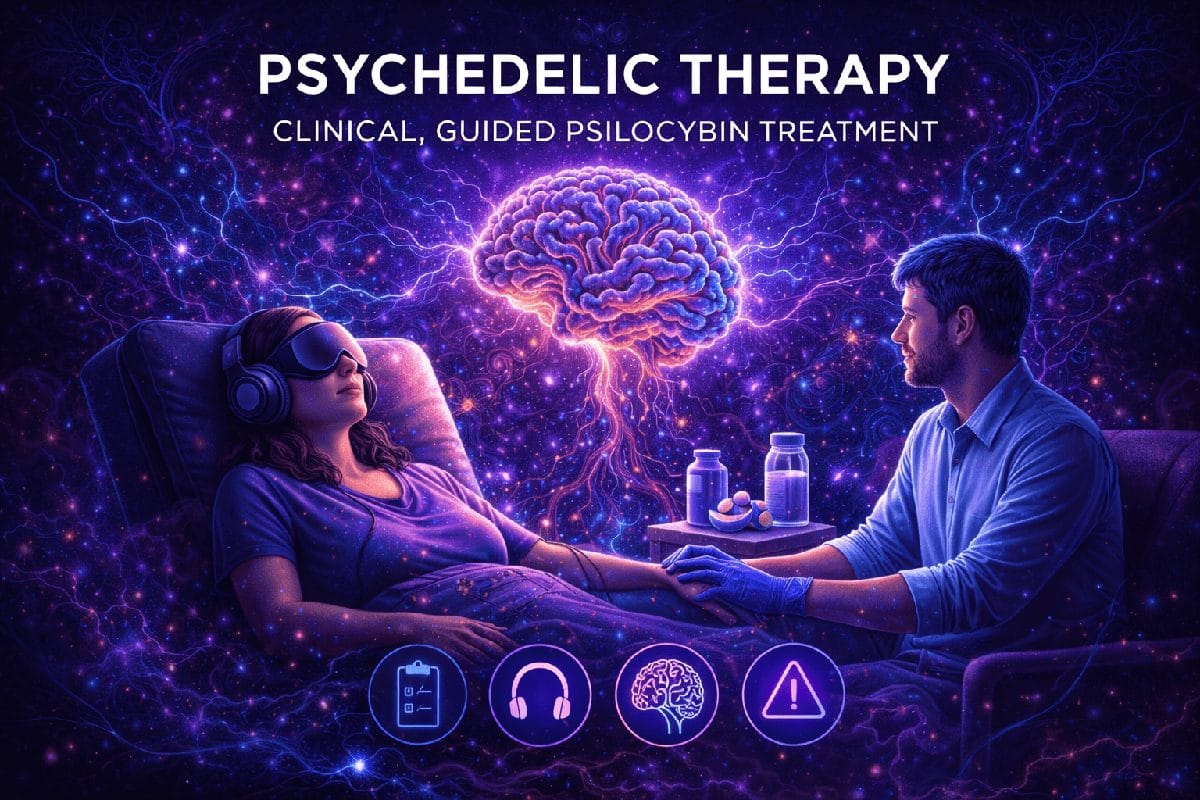
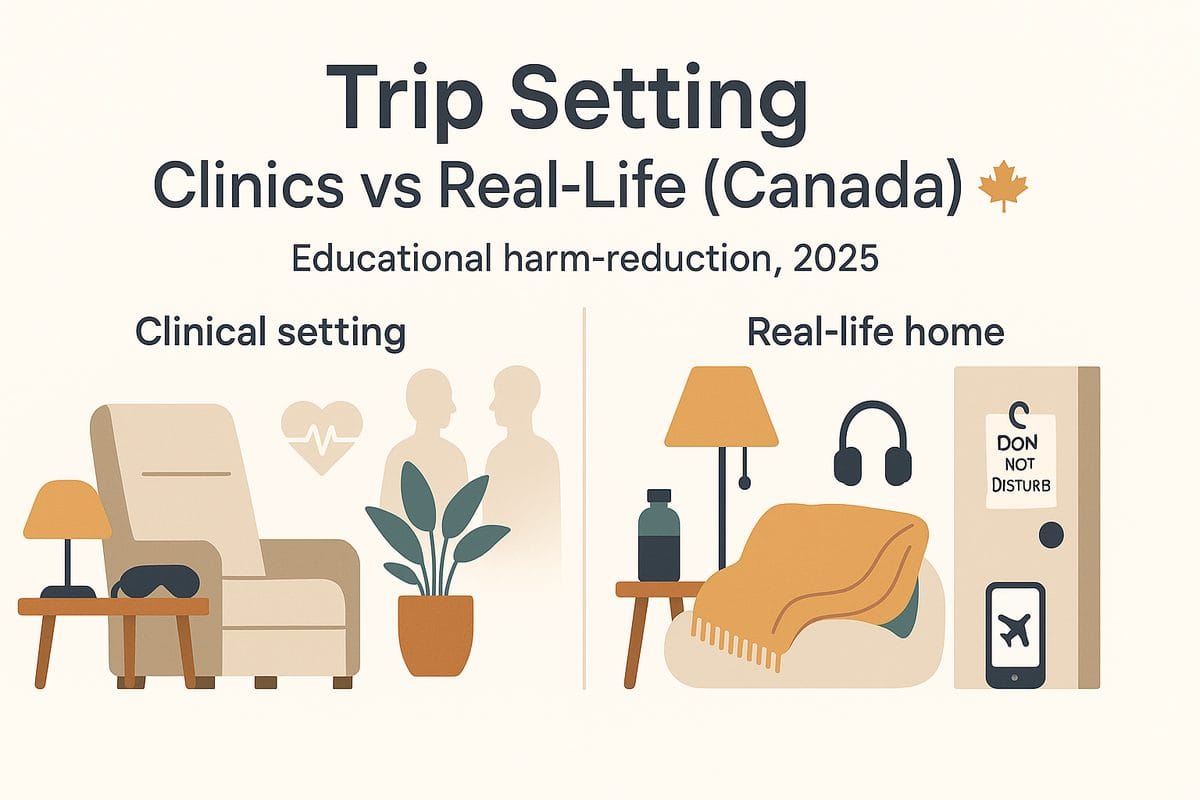
Psilocybin-assisted therapy is a treatment model in which the compound is administered in a controlled clinical setting alongside trained therapist support, with the aim of helping patients process difficult emotional experiences and disrupt the rigid thought patterns associated with depression, anxiety, and PTSD.
The mental health crisis has been a growing concern globally, with rising rates of depression, anxiety, PTSD, and addiction. Traditional treatments, such as medication and therapy, have helped many, but they do not work for everyone. This has led researchers and mental health professionals to seek alternative treatments. Enter psilocybin therapy.
Psilocybin, when administered in a controlled environment under the guidance of a trained therapist, can help patients confront deep-seated emotional issues, reframe their thinking, and overcome mental health challenges. For example, psilocybin's effects on the brain's default mode network can help individuals break free from rigid thought patterns often associated with depression and anxiety.
The role of psilocybin mushrooms in mental health treatment has been a major topic of media coverage. Leading news outlets have reported on the success of psilocybin trials, offering a spotlight on the profound psychological experiences that patients undergo. By sharing these stories of healing, the media plays a crucial role in informing the public about the possibilities of psychedelic therapy, thereby changing attitudes toward these substances.
Celebrity Influence and the Normalization of Psilocybin Mushrooms
Celebrity influence on psilocybin awareness describes how public figures with large audiences have spoken openly about their experiences with the compound, contributing to a shift in popular perception from recreational use toward recognized therapeutic potential.
In addition to scientific studies, celebrity endorsements have played a pivotal role in bringing psilocybin mushrooms into the mainstream. High-profile figures like Joe Rogan, Tim Ferriss, and Miley Cyrus have openly discussed their personal experiences with magic mushrooms on podcasts, interviews, and social media. These public figures have helped to normalize the conversation around psychedelics, including psilocybin.
When influential personalities share their positive experiences with psilocybin mushrooms, it helps destigmatize their use and further promotes public acceptance. This increased visibility and endorsement from those in the public eye have also helped frame psilocybin as a potential wellness tool, shifting away from its reputation as a recreational drug.
As more celebrities talk about the mental health benefits they’ve experienced through psilocybin, the substance is increasingly viewed as a legitimate, even beneficial, part of modern wellness culture. This shift in perception is critical in driving forward psychedelic therapy in the mainstream.
The Legal Landscape: Psilocybin Mushrooms and Media Advocacy
The legal landscape for psilocybin refers to the regulatory environment in which jurisdictions have moved to decriminalize possession or formally permit supervised therapeutic use, with Oregon becoming the first U.S. state to legalize supervised psilocybin therapy in 2020.
As media coverage of psilocybin mushrooms increases, so does the momentum for legal reform. In 2020, Oregon became the first state in the U.S. to legalize psilocybin therapy, and cities like Denver, Oakland, and Santa Cruz have decriminalized psilocybin possession. This legal progress has largely been driven by public support, which, in turn, has been fueled by widespread media coverage of the positive effects of psilocybin therapy.
The growing media presence of psilocybin mushrooms in therapeutic contexts has helped change the legal landscape, making it more likely that other states and countries will follow suit. As the media continues to shine a spotlight on the successes of psilocybin trials and the therapeutic potential of psychedelic mushrooms, advocates for psychedelic reform are gaining more traction in their efforts to broaden access to psilocybin therapy.
Psilocybin Documentaries: Educating the Masses
Psilocybin documentaries are films and series that use scientific research, clinical data, and personal narratives to explain how the compound functions in the brain and why researchers consider it a candidate for therapeutic use. Films like “Fantastic Fungi” and “The Mind, Explained: Psychedelics” offer an in-depth look at how psychedelics like psilocybin work in the brain, their potential therapeutic effects, and personal stories of healing. These documentaries help to humanize the psilocybin experience and make it more relatable to the average viewer.
By using storytelling and scientific insight, these films capture the public's imagination and spark curiosity about the benefits of psilocybin mushrooms. As the popularity of these documentaries grows, so does the acceptance of psilocybin in both mental health treatment and spiritual exploration.
The Future of Psilocybin in the Media
The future of psilocybin in the media refers to how ongoing clinical approvals, expanded access programs, and emerging research are expected to drive continued growth in reporting and further normalize the conversation around therapeutic use.
As more research on psilocybin therapy is published and real-world applications become more widespread, the conversation around psilocybin will continue to grow. As more research on psilocybin therapy is published and as real-world applications become more widespread, the conversation around psilocybin will likely continue to grow. News outlets will continue to report on new breakthroughs, and documentaries will provide an accessible way for the public to learn more about the benefits of psilocybin therapy.
As society becomes more accepting of psychedelic substances, psilocybin mushrooms are poised to become an integral part of mental health treatment worldwide. The media will undoubtedly continue to play a pivotal role in shaping public perception, driving change in both legal policies and public attitudes toward psilocybin mushrooms.
Conclusion
The media's coverage of psilocybin mushrooms has led to a major shift in public perception. From the scientific breakthroughs that demonstrate the therapeutic potential of psilocybin to celebrity endorsements and insightful documentaries, the conversation around psilocybin is more visible and accepted than ever before. As psychedelic therapy continues to gain traction, psilocybin mushrooms will play an increasingly important role in shaping the future of mental health treatment.
The media's role in promoting psilocybin mushrooms as a legitimate, scientifically supported treatment will only grow, and as public awareness increases, so too will access to this transformative therapy.
If you’re interested in learning more about psilocybin mushrooms, check out our selection at BuyShrooms.net, where we provide high-quality, lab-tested magic mushrooms for both personal and therapeutic use.